
The need for negative results: Key takeaways from the Lund Biomedicine ReproducibiliTea Journal Club
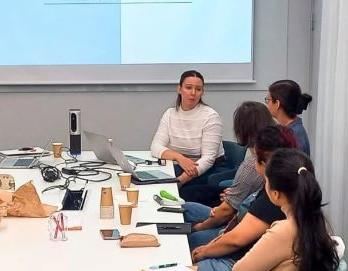
At the latest meeting of Lund Biomedicine ReproducibiliTea, over 2 dozen participants turned out to hear guest speaker Rebecka Antonsson, MSc, address the importance of the availability of negative data, particularly with regard to her work in building predictive models for screening therapeutics.
During her thesis, Rebecka tested models for predicting the immune response to various antibodies in silico but realized that they needed to be run against negative data—specifically, data on antibodies that failed clinical trials. In the absence of such information, the models were suboptimally refined, resulting in a missed opportunity to evaluate predictive models robustly.
The meeting continued with a lively discussion on why researchers are reluctant to publish negative findings. Attendees overwhelmingly cited the ostensibly poor cost-benefit balance of the arduous process of submitting and publishing negative data, yielding little, if any, recognition, impact, and funding. Moreover, as experienced by Rebecka, companies may withhold the release of negative findings due to the potential need to safeguard proprietary information to maintain their competitive advantage.
The attendees agreed that although it may take regulatory oversight to effect widespread accessibility to negative data, grassroots initiatives will help spread awareness of the need for such findings, as well as of opportunities to share them with researchers. For example, several platforms for disseminating negative findings are emerging, including Research Agora’s marbles and journals that focus on negative results and outcome-blind assessment of manuscripts. Further, online forums like PubPeer allow researchers to discuss the validity and reproducibility of published data.
Join the Conversation
Our upcoming journal club meetings will continue exploring critical research questions. If you are a researcher, student, or science enthusiast, join us to engage in meaningful dialogue about improving scientific methods and research integrity.
Register your interest to receive updates and sign up for upcoming ReproducibiliTea Journal Club meetings.
Speaker and guest author

Rebecka Antonsson, MSc, is a computational scientist who specializes in the life sciences. She has a passion for open science practices.
Editor

Sean Kim, PhD, is a medical writer at AdvanSci Research Solutions. He has been a medical writer since 2006, writing extensively on therapeutics for a wide range of areas.


Comments